This gym keeps it simple
B&W Chicago

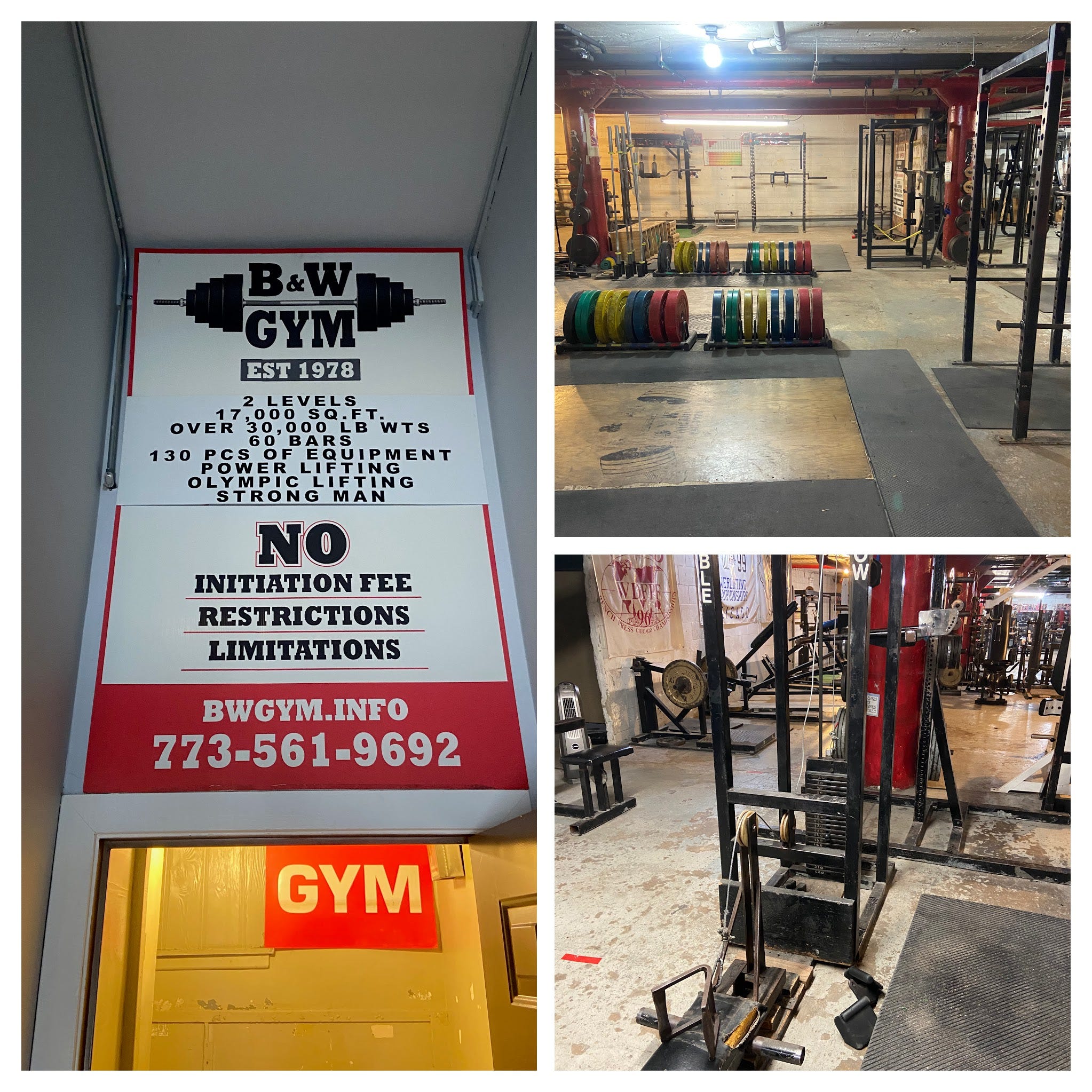
Entering B&W gym felt like a Teenage Mutant Ninja Turtle scene. I descended hesitantly to the basement of an unmarked Chicago building. The air was heavy, sweaty. The pipes were exposed, the ceiling low. At the entrance was a Master Splinter-esce old man staring at a spreadsheet running Windows 7.
Instead of greeting me with a fake smile, he stared at me.
After a few seconds of silent eye contact, I told him I wanted to buy a month pass. He said it was $65, cash or Zelle. I told him I don’t have Zelle, and that I only had $46 cash on me. He said, “Fine, you can pay the rest next time.”
I handed the money over and waited, expecting him to take my picture on a USB webcam, give me a tour, talk about the personal training packages, or hand me a long waiver to sign.
Instead, he stared at me.
After a few seconds of eye contact, I asked, “Anything I need before I start?”
He said, “Just common sense.”
I worked out with the old yet functional equipment that commercial gyms avoid — metal plates are loud, and unbranded cable machines from the 90s aren’t as aesthetic as monotone NordicTracks.
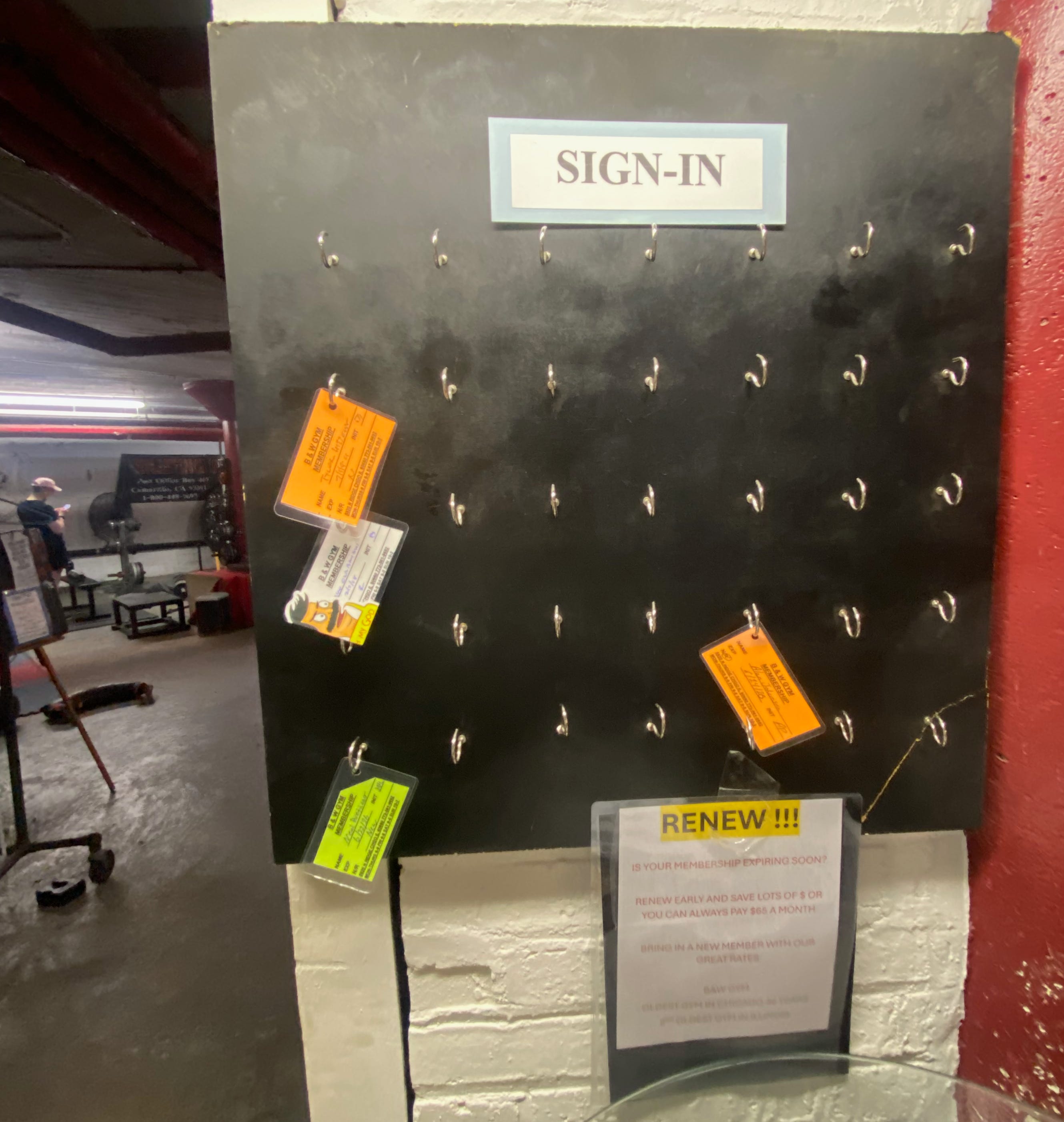
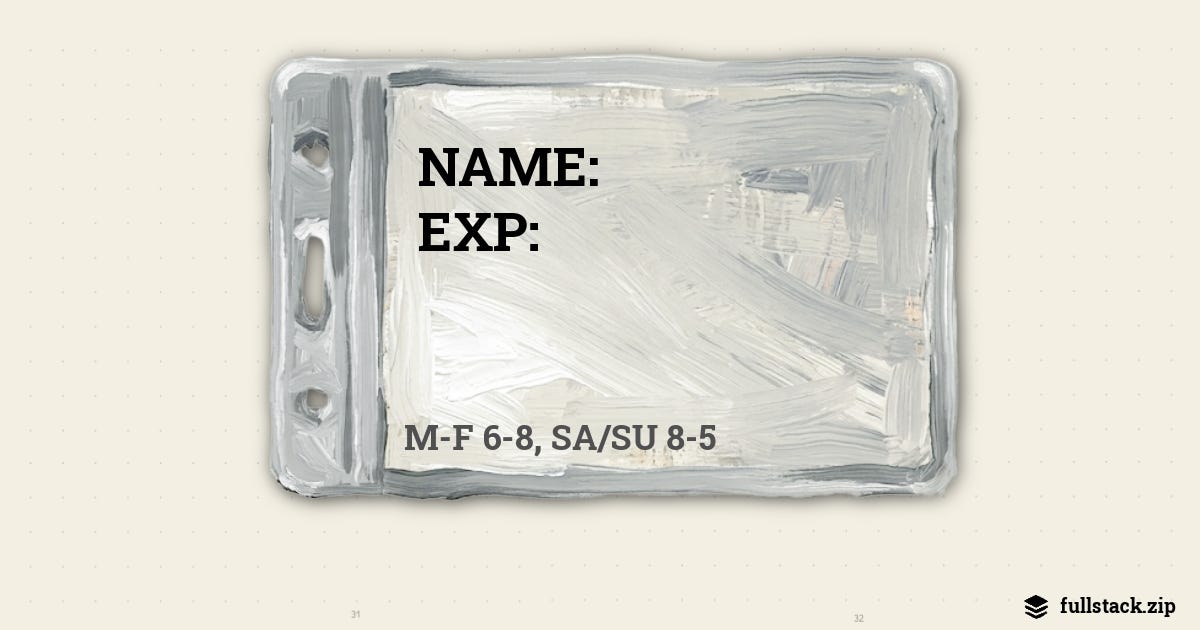
On my way out, the man handed me a laminated card:
Name: Tyler Dane
Exp: 7/7/2026
N/R: N
He told me to hang it up on the sign-in board next time.
The experience was void of the pageantry and fake salesmanship that I had gotten so used to at commercial gyms. Master Splinter didn’t care about hitting a quota or guilting me into a customer success survey. He didn’t want my email for a funnel. He didn’t wanna hear about my weekend plans. He didn’t need me to download an app, create a profile, share my checking account routing number, or consent to a $120 initiation fee.
In fact, it seemed like B&W didn’t need anything from me at all.
Just hang up my card. Don’t break things or get hurt. Then leave.
After some research, I learned that B&W was founded in 1978 as one of the original powerlifting gyms. The guy who checked me in wasn’t Master Splinter. It was the owner, world champion bench presser Dennis Brady.
Things started to make sense.
This gym wasn’t built to optimize revenue or expand a global franchise. It was built to give lifters a place to lift.
Operations are so simple because everything except lifting is a distraction.
A gym built by lifters for lifters.
Experiencing that purity was more motivating than any polished commercial gym.
It’s gotten me thinking:
What would B&W look like in the digital world?
What would an app feel like if its developers were also its users?
How would a tech company feel different if it planned to operate for half a century instead of half a decade?
I’m still figuring out the answers, but I know one thing:
» Things would be simple.